


Serving Toronto & the Greater Toronto Area
Restaurant Door Installation & Repair Across the GTA
Storefront entrances, exit doors, back-of-house service doors and takeout windows for restaurants, cafes, bars and multi-site groups. Installed and repaired around your service hours.
Commercial doors for food service
Why restaurant doors fail faster
A restaurant works its doors harder than almost any other tenant, and it cannot take the front entrance out of service at 6pm.
- Entrances that cycle right through serviceA full dining room turns the front door hundreds of times between open and close.
- Grease, steam and winter saltKitchen humidity and the salt tracked in off the sidewalk take out closers and hinges faster than anything in an office.
- Doors held open that were never meant to beDeliveries, patio service and a hot kitchen all end the same way, with something wedged against the closer.
- Exits held to a higher standardMost restaurants are classified as assembly occupancies, which puts their exit hardware under rules most tenants never have to think about.

What we do
Door work for food service
From the storefront to the delivery door, installed and maintained by one crew that works around your covers.
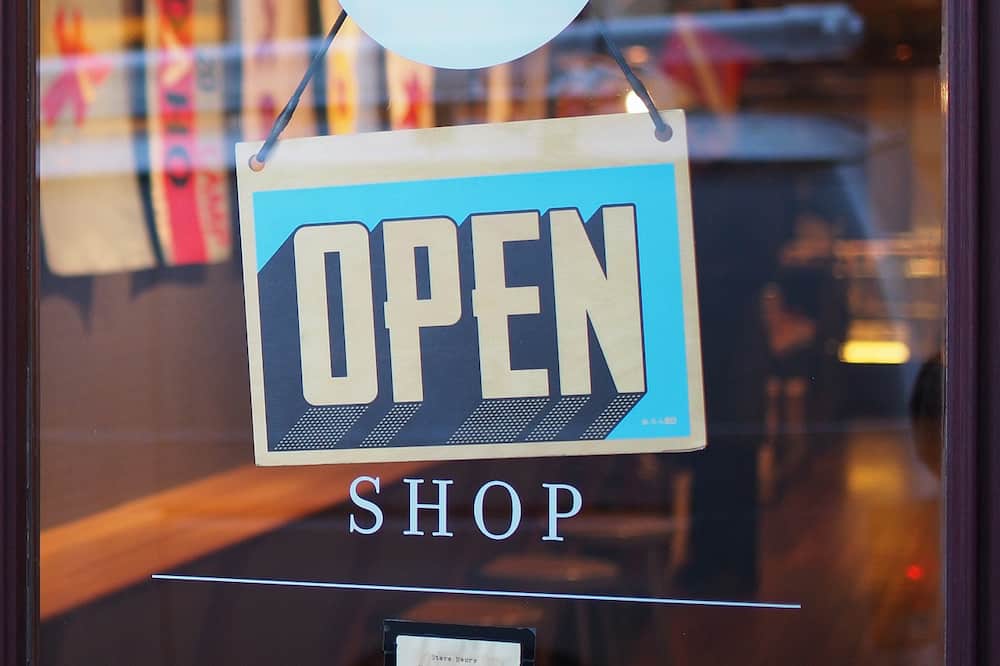
Storefront entrances and glass
Aluminum storefront doors, closers, pivots and thresholds sized for constant service traffic. Most calls are one of two things: cracked or blown glazing, or a door dropping out of square as the pivots wear. Where the entrance sits on a barrier-free path, changing the hardware usually beats replacing the door.

Exit doors and panic hardware
Rim and vertical rod exit devices, touchbar retrofits onto existing doors, dogging for business hours, and fire exit hardware where the assembly is rated. We walk the exit path, show you where what is installed does not match what the Code describes, and price the openings that need changing.

Service, delivery and staff doors
The delivery door takes more abuse than anything out front and gets none of the attention. Hollow metal doors and frames, closers, hinges, weatherstripping and door sweeps. Close the gaps before an inspector does: a food premises has to be kept free of pests, and in Toronto the result goes on DineSafe where your customers read it.
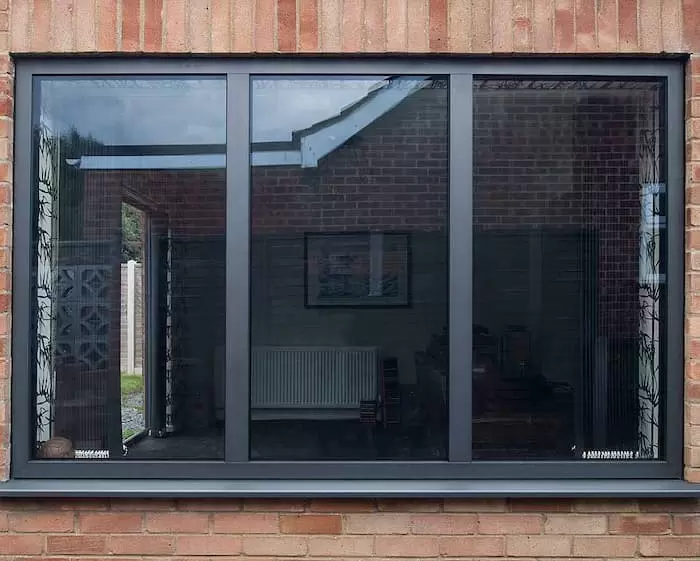
Takeout and pickup windows
Sliding service windows for takeout, delivery pickup and patio bars. Tempered and laminated glazing, speak-through panels, deal trays and frames finished to match your build-out. We also cut new openings where the wall and the permit allow it.

After-hours access control
Fobs and keypads on the staff entrance, the office and the stockroom, so you stop rekeying every time someone leaves. Schedules unlock the front at open and secure it at close. A controlled door still has to let people out freely no matter what the lock is doing, and that is the part a cheap install gets wrong.
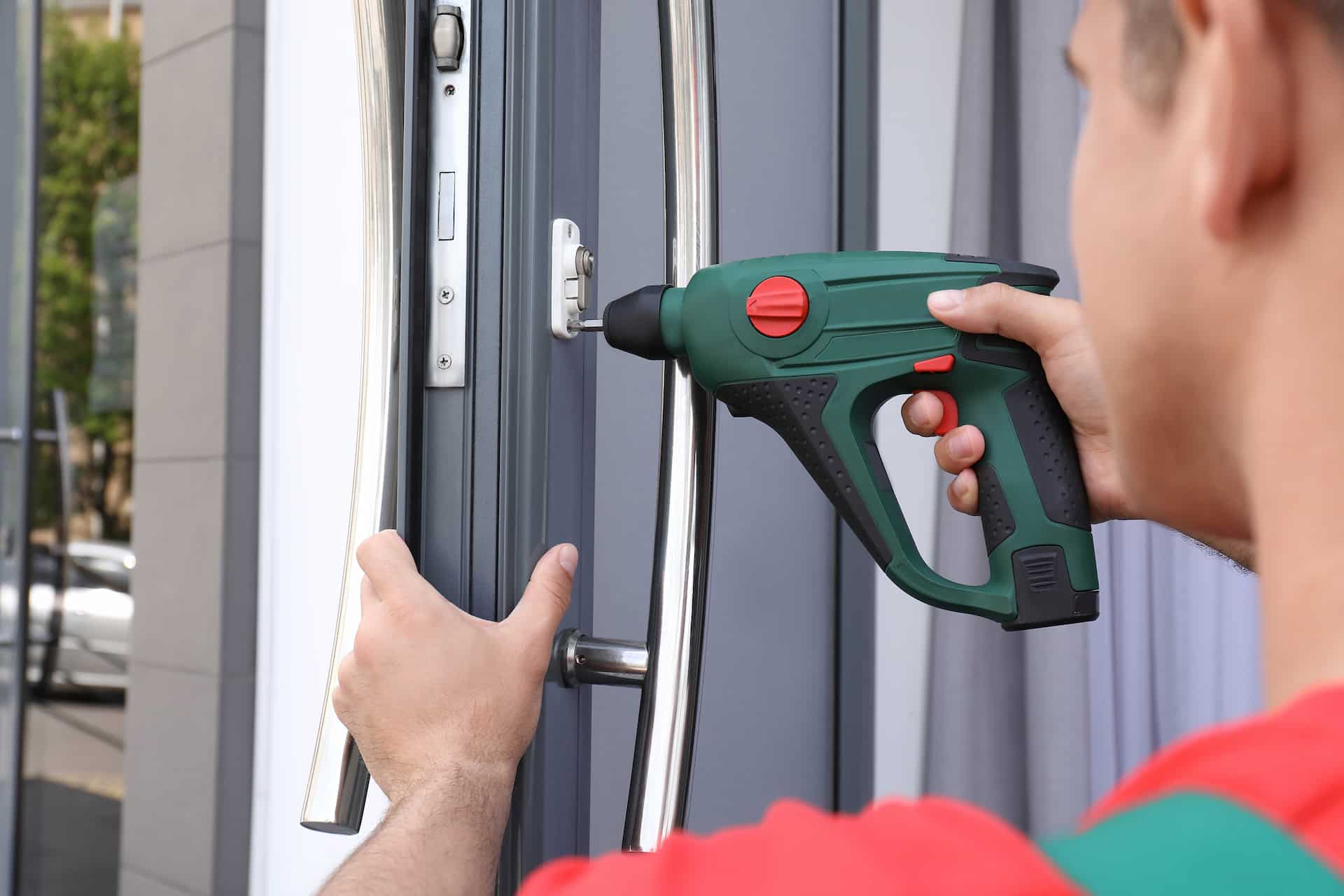
Same-night emergency repair
A front door that will not lock at close is the kind of problem that costs you the night. We respond to broken closers, doors that will not latch, smashed glass and forced-entry damage. Where the full repair needs a part we do not have on the truck, we secure the opening that visit and come back with it.
Ontario Building Code
The numbers your doors are measured against
Occupant load drives most of it, and it is on your permit drawings.
- Panic hardware past an occupant load of 100Where a floor area is classified as an assembly occupancy and its occupant load is over 100, every exit door from that floor area needs a device that releases the latch and lets the door swing wide open under 90 N pushed in the direction of travel (OBC 3.4.6.16). In practice that means panic hardware.
- Doors that swing the way people runExit doors have to open in the direction of exit travel. The exemption runs out at an occupant load of 60, which catches a lot of mid-size rooms.
- One releasing action, no key, no knackAn exit has to open from the inside with a single releasing operation, no key, no special knowledge (OBC 3.4.6.16). A deadbolt thrown above a latch fails that, and it is the most common thing we find on a back door.
- 38 N outside, 22 N inside, 860 mm clearOn a barrier-free path the closer cannot need more than 38 N at an exterior door or 22 N inside, and the doorway needs 860 mm of clear width (OBC 3.8.3.3). Closers drift past that within a year, and older converted units are where it fails first.
Who we work with
Every format wears its doors differently
A 40-seat cafe and a 300-cover banquet hall are different buildings by the time you get to the door.
Quick service & takeout
Door cycles in the thousands per week, on the one door every customer touches.
High-cycle closers · Storefront glass · Takeout window
Full-service dining
Vestibule doors, patio access and washroom hardware, often in a space converted from something else.
Accessible hardware · Vestibule sealing · Patio access hardware
Cafes & bakeries
Early opens, long hours and a front door propped for every delivery until the closer finally gives up.
Closer replacement · Door hold-opens · Glass replacement
Bars & pubs
Late closes and high occupant loads, which is the combination that puts panic hardware on the exits.
Panic hardware · Exit path walkthrough · After-hours locking
Franchise & multi-site groups
One hardware standard across every location, so the manager in Brampton and the one in Whitby get the same door.
Standard specification · Multi-site scope · One invoice
Food courts & mall units
We work to the landlord specification and the overnight access window, on units that share their exit corridors.
Landlord specs · Overnight work · Shared exits
Ghost kitchens & commissaries
Driver traffic all day through a door that was specified for the occasional delivery.
Controlled access · Heavy-duty hinges · Delivery door hardware
Banquet halls & event venues
Paired exit doors that have to work with a full room coming through them at once.
Paired exit doors · Exit device servicing · Coordinator adjustment
Book a walkthrough
We price every opening before you commit
We walk the site, separate what is worn out from what is holding up, and price it opening by opening so you can stage the work.
- 1We visit between services
- 2We scope every opening
- 3You decide what gets done
Toronto · Vaughan · Mississauga · Brampton · Markham · Richmond Hill · Pickering · and across the GTA
Questions
What operators ask first
Do our exit doors need panic hardware?
If your space is classified as an assembly occupancy and its occupant load is over 100, yes, on every exit door from that floor area. Two things people get wrong. Not every restaurant is an assembly occupancy, because a room designed for 30 or fewer can be classified differently. And occupant load is not your seat count, it comes from floor area and use, or from the number of fixed seats where you have them. Both are on your permit drawings. Bring those and we will walk the exit path with you and show you where what is installed does not match what the Code describes.
How fast can you get here in an emergency?
Call the number rather than the form, and tell us what the door is actually doing. An entrance that will not secure at close is triaged ahead of one that just will not close smoothly. If we cannot get someone to you before you open again, we would rather say so on that call than leave you waiting on it.
Can you work outside our service hours?
Yes, and most of our restaurant work happens that way. We schedule between service periods, overnight, or on your closed day. For mall and food court units we work to the landlord’s access window, which is usually overnight.
Does our washroom door need a power door operator?
Not always, and operators get bought that were never required. The requirement attaches to a public washroom that has to be barrier-free. A secondary washroom that is not required to contain a barrier-free stall generally will not trigger one. Which one you have is a question for your drawings and your building official. Settle it before you spend the money.
Our back door will not latch. Repair or replace?
Usually repair. A door that will not latch is most often a worn closer, dropped hinges or a frame knocked out of square by deliveries, and all three are fixable. Replacement is the answer when the frame is rusted through at the sill or the door has been forced. Either way, get the gap closed before your next inspection.
Can you add a takeout or pickup window?
Often, yes. Into an existing opening it is straightforward. Cutting a new one depends on what the wall is doing structurally, and on your landlord and permit situation, which is a question we answer at the walkthrough rather than over the phone.
What areas do you cover?
All of Toronto and out across the GTA, from Vaughan and Mississauga to Markham, Brampton, Richmond Hill and Pickering. If you are not sure whether you are in range, call 647-424-1351 and ask.